

Whether you’re feeling perfectly healthy or dealing with symptoms that just won’t go away, having a trusted primary care provider is one of the best investments you can make in your long-term health.
Many people wait until they’re seriously sick before visiting a doctor. However, primary care is designed to prevent health problems, detect conditions early, and help you stay healthier throughout every stage of life.
If you’re wondering whether it’s time to schedule an appointment, here are ten signs you shouldn’t ignore.
1. You Haven’t Had a Checkup in Over a Year
One of the biggest misconceptions about healthcare is that you only need to see a doctor when you’re sick.
Annual wellness visits allow your provider to monitor your blood pressure, cholesterol, blood sugar, weight, and overall health before problems develop.
Routine exams can identify conditions like diabetes, high blood pressure, and high cholesterol long before symptoms appear.
Preventive care often leads to simpler treatments, lower healthcare costs, and better long-term outcomes.
2. You’re Constantly Feeling Tired
Everyone experiences occasional fatigue, but feeling exhausted every day isn’t normal.
Persistent fatigue may be caused by:
- Vitamin deficiencies
- Thyroid disorders
- Diabetes
- Hormonal imbalances
- Sleep disorders
- Anemia
- Chronic stress
A primary care provider can evaluate your symptoms, order appropriate lab work, and determine the underlying cause instead of simply treating the fatigue itself.
3. Your Blood Pressure Has Been High
High blood pressure is often called the “silent killer” because many people have no symptoms until serious complications develop.
Left untreated, hypertension increases the risk of:
- Heart disease
- Stroke
- Kidney disease
- Vision problems
Regular blood pressure screenings can detect problems early, allowing treatment before permanent damage occurs.
4. You’ve Gained or Lost Weight Without Trying
Unexpected weight changes may signal an underlying medical condition.
Possible causes include:
- Thyroid disorders
- Diabetes
- Digestive conditions
- Hormonal imbalances
- Medication side effects
- Stress and anxiety
A medical evaluation can help determine whether your weight changes are related to lifestyle factors or an underlying health issue.
5. You’re Frequently Getting Sick
If it feels like you’re catching every cold that goes around or taking longer than usual to recover, your immune system may need attention.
Frequent illnesses can sometimes indicate:
- Nutritional deficiencies
- Chronic infections
- Poor sleep
- Diabetes
- Autoimmune conditions
Your primary care provider can evaluate your health and recommend testing if necessary.
6. You Have Ongoing Pain
Pain that lasts more than a few weeks shouldn’t be ignored.
Whether it’s:
- Back pain
- Joint pain
- Headaches
- Neck pain
- Abdominal discomfort
Persistent pain deserves medical evaluation to identify the cause and develop an effective treatment plan.
Ignoring pain may allow underlying conditions to worsen over time.
7. You’re Managing a Chronic Condition
Conditions like diabetes, asthma, high blood pressure, and high cholesterol require ongoing monitoring.
Regular visits help ensure your treatment plan continues working while reducing the risk of complications.
Your provider can also adjust medications, recommend lifestyle changes, and coordinate care with specialists when needed.
8. You’re Experiencing Changes in Your Mental Health
Your mental health is just as important as your physical health.
If you’ve been experiencing:
- Anxiety
- Depression
- Mood changes
- Difficulty sleeping
- Persistent stress
Your primary care provider can discuss treatment options, recommend counseling, or refer you to a mental health specialist if appropriate.
Early intervention often leads to better outcomes.
9. You Need Preventive Screenings
Many serious diseases can be detected before symptoms develop.
Depending on your age, family history, and medical background, your provider may recommend screenings for:
- Diabetes
- High cholesterol
- Colon cancer
- Breast cancer
- Cervical cancer
- Osteoporosis
Preventive screenings are one of the most effective ways to protect your long-term health.
10. You Simply Don’t Have a Primary Care Provider
Many people rely on urgent care centers whenever they become sick.
While urgent care is useful for minor illnesses and injuries, it doesn’t replace an ongoing relationship with a primary care provider who understands your medical history.
Having a dedicated provider means someone is monitoring your health over time, coordinating your care, and helping prevent future health problems—not just treating them after they occur.
Why Preventive Care Matters
Preventive healthcare focuses on keeping you healthy rather than waiting until illness develops.
Routine primary care visits can help:
- Detect medical conditions earlier
- Monitor chronic diseases
- Reduce healthcare costs
- Improve overall quality of life
- Keep vaccinations up to date
- Identify risk factors before they become serious
Investing in preventive care today can help you avoid more complex health issues in the future.
Frequently Asked Questions
How often should adults see a primary care provider?
Most healthy adults should schedule an annual wellness visit. People with chronic medical conditions or ongoing health concerns may need more frequent appointments based on their provider’s recommendations.
Can I see a primary care provider even if I feel healthy?
Yes. Preventive care is designed to identify health concerns before symptoms appear. Annual visits are an important part of maintaining your overall health.
What happens during a primary care appointment?
Your provider may review your medical history, perform a physical examination, check your vital signs, discuss any symptoms or concerns, recommend preventive screenings, and order laboratory tests if needed.
Do I need a primary care provider if I already see specialists?
Yes. Specialists focus on specific conditions, while a primary care provider oversees your overall health, coordinates your care, and helps ensure all aspects of your healthcare work together.
Take Charge of Your Health Today
Your health is one of your most valuable assets, and regular primary care visits are an important part of protecting it.
Whether you’re due for an annual wellness exam, managing a chronic condition, or simply have questions about your health, establishing care with a trusted provider can help you stay healthier for years to come.
Schedule an appointment with VeneHealth today and let our compassionate healthcare team help you take the next step toward better health through personalized, preventive care.
Meet the team that cares for you like family

Jhonny Montoya
Family Medicine · BHRT & TRT · Menopause · Weight Loss

Julio Rojas
Family Medicine · Menopause & BHRT-TRT · Ob/Gyn Sonography · Weight Loss
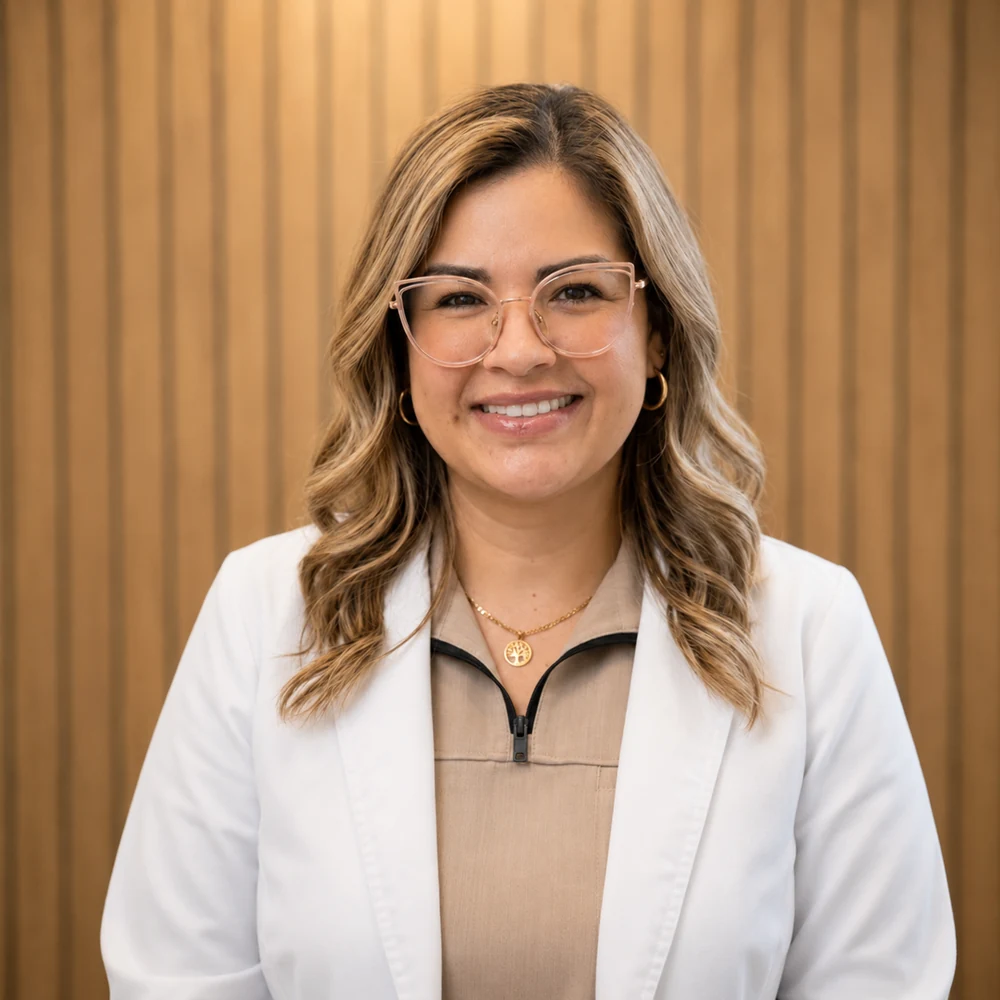
Jenniffer Blandin
Family Medicine · Medical Aesthetics · Injectables · Weight Loss

Zobeida Romero
Medical Aesthetics · IV Therapy · Face & Body Aesthetics
Ready to feel cared for again?
Book your visit today, or call (407) 707-1815.
No insurance? We’ve got you covered.
Affordable membership plans designed for patients without insurance, primary-care visits, follow-ups, preventive care, discounted labs, and personalized medical care.